




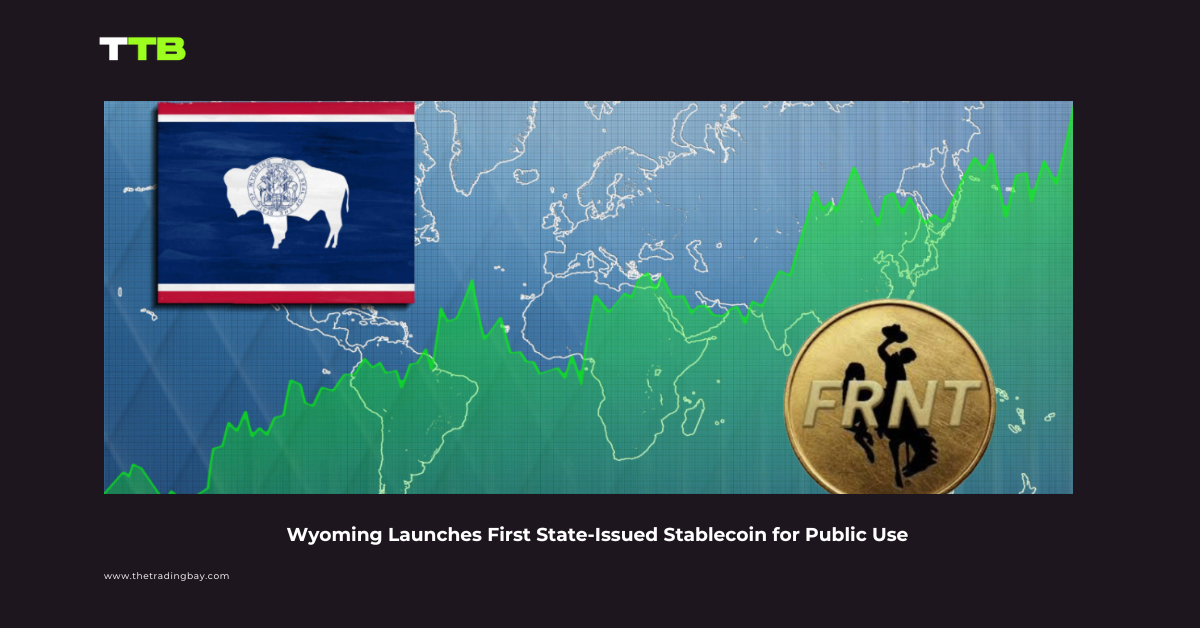
Wyoming has made history by introducing the first state-issued stablecoin, dubbed the “Wyoming Stable Token” (WST). This development is significant not only for the state but also for the broader cryptocurrency landscape and regulatory environment. The token aims to provide a reliable digital currency alternative, pegged to the U.S. dollar, thus ensuring stability in value.
The Wyoming Stable Token, backed by state regulatory support, is poised to facilitate transactions and potentially enhance the Wyoming economy. The state government aims to leverage this stablecoin to attract tech-focused businesses and bolster its burgeoning blockchain initiatives. The introduction of WST marks a critical milestone in the ongoing evolution of cryptocurrency infrastructures across various jurisdictions.
The Background and Purpose of the Stablecoin
Wyoming has carved out a niche as a pro-cryptocurrency state, implementing favorable regulations for blockchain technologies and digital assets. The legislation, passed in early 2023, allows the state to issue its digital currency under strict compliance with federal law. The WST is designed to be used for both governmental transactions and private sector applications, showcasing its versatility.
Furthermore, the aim of this initiative is to meet the growing public interest in digital currencies while providing a safe and stable medium of exchange. According to research from the Wyoming Blockchain Coalition, nearly 70% of residents expressed interest in utilizing digital currencies more frequently. As such, the WST could serve as a bridge between traditional finance and the expanding digital economy.
Market Reactions and Expert Commentary
The announcement of the Wyoming Stable Token has been met with cautious optimism. Financial analysts suggest that the WST could influence the Forex and cryptocurrency markets by establishing a new form of state-backed liquidity. “Stablecoins can provide necessary stability in a notoriously volatile environment, especially given the regulatory backdrop Wyoming has laid,” stated Dr. Lexi Thornton, a finance professor at the University of Wyoming.
Additionally, the stablecoin’s launch coincides with a broader trend in the U.S., where several states are exploring digital currencies. Texas and Florida, for example, have proposed similar initiatives. This competition could push the federal government to consider issues surrounding digital currencies more seriously, fostering a more collaborative regulatory approach.
Potential Implications for the Cryptocurrency Market
The introduction of WST is poised to impact not just Wyoming or state residents but also the global cryptocurrency ecosystem. As large financial institutions increasingly look to integrate blockchain technologies, the WST offers a case study in how state-issued digital currencies can function alongside existing cryptocurrencies like Bitcoin and Ethereum.
Moreover, stablecoins have gained traction among investors due to their ability to reduce the risks associated with traditional cryptocurrencies, which can experience extreme volatility. Data from CoinGecko indicates that stablecoins accounted for approximately 60% of the total cryptocurrency market’s trading volume in the past year. The WST could potentially expand this market penetration even further, offering an alternative for investors seeking lower-risk assets.
As Wyoming moves forward with the WST initiative, it will be crucial to monitor both regulatory frameworks and market reactions. The success or challenges faced by the WST will provide valuable lessons to other states and countries considering similar measures. In the increasing landscape of digital currencies, the WST could serve as a catalyst for future innovation.
In conclusion, the launch of Wyoming’s state-issued stablecoin is a watershed moment in the intersection of state policymaking and cryptocurrency markets. By offering a stable alternative to traditional and digital currencies, Wyoming is positioning itself as a leader in blockchain technology. If successful, WST could set a precedent for other jurisdictions seeking to enter the dynamic world of digital currencies.