





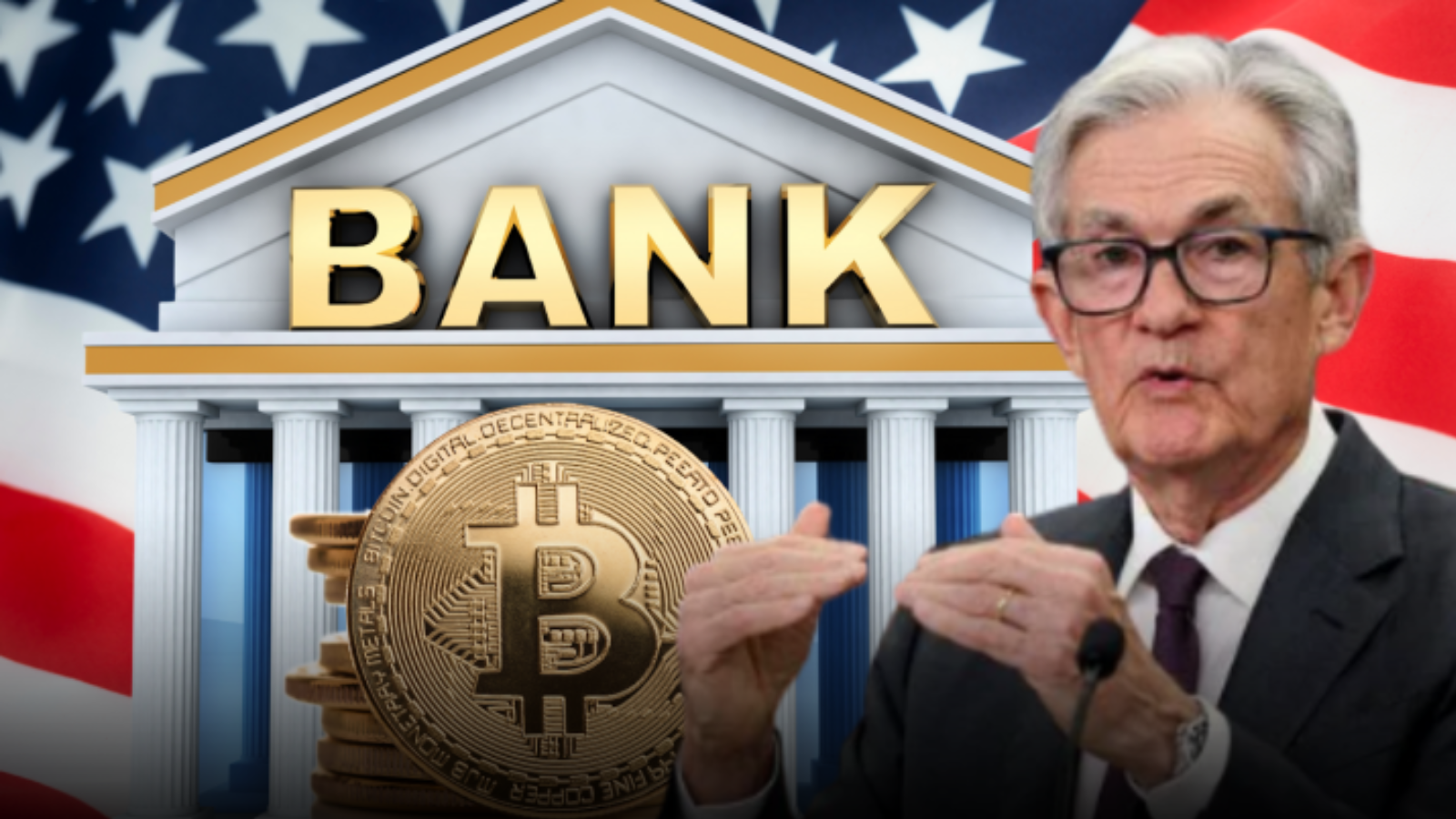
The U.S. Federal Reserve has retracted its previous guidance that restricted banks from engaging with cryptocurrency. This move could open new avenues for financial institutions to participate in the burgeoning digital currency market, signaling a potential shift in regulatory attitudes toward cryptocurrencies. The announcement is positioned to have substantial implications for market dynamics, especially as institutional interest in crypto continues to rise.
Easing Restrictions on Bank Involvement in Crypto
Historically, the Federal Reserve had cautioned banks against engaging in activities related to cryptocurrencies, such as holding or trading them. This restrictive stance was part of a broader framework aimed at mitigating risks associated with digital assets, including concerns over volatility and security. However, recent market data suggests an increasing willingness among investors to embrace cryptocurrency, as evidenced by a 200% increase in Bitcoin’s price over the past year.
The Fed’s updated guidance reflects an acknowledgment of this shifting landscape. It allows banks to provide custodial services for digital assets and engage with crypto firms more directly. According to a report from the Bank for International Settlements (BIS), 70% of central banks are exploring the use of digital currencies. This trend emphasizes the urgency for U.S. regulators to adapt to global shifts toward digital assets.
Market Reactions and Expert Analysis
The market responded positively to the Fed’s announcement, with major cryptocurrencies like Ethereum and Bitcoin witnessing immediate price increases. Pundits attribute this surge to growing institutional interest, as companies look to diversify their asset holdings. For instance, Fidelity recently announced plans to launch a Bitcoin ETF, encouraging retail participation in the crypto market.
Experts believe this new policy could significantly enhance liquidity in the crypto space. Market analyst James Harris notes, “By allowing banks greater participation in the crypto ecosystem, the Fed is effectively legitimizing digital currencies.” As traditional finance becomes more intertwined with cryptocurrency, the implications for both sectors could be transformative.
Framework for Future Regulation
The Federal Reserve’s action could also pave the way for comprehensive regulatory frameworks surrounding cryptocurrencies. With banks now more freely able to offer crypto-related services, the potential for innovative financial products could reshape the market. These advancements may include crypto savings accounts, lending against digital assets, and more robust risk-management solutions.
As institutions adopt crypto, the resulting liquidity may stabilize the market more effectively. However, this leads to questions around the governing regulatory landscape. Will more stringent requirements follow, or will the industry benefit from a lighter touch? Ongoing dialogue among regulators, financial institutions, and lawmakers will be crucial in shaping these outcomes.
Implications for Forex and Global Markets
The Fed’s policy change could also influence Forex markets, as investors increasingly perceive cryptocurrencies as alternative assets. Historically, significant price movements in cryptocurrency have reflected volatility across Forex trading pairs. A more integrated financial ecosystem could lead to new trading strategies that incorporate digital currencies alongside traditional fiat currencies.
Furthermore, as banks enter the crypto space, they may offer new options for hedging against currency fluctuations. This could provide investors with innovative ways to protect their portfolios amid ongoing geopolitical tensions and economic uncertainty. As a result, liquidity and market efficiency could improve, shifting how traditional investors approach their strategies.
The Federal Reserve’s decision to ease restrictions on bank involvement with cryptocurrencies comes at a pivotal time for both crypto and traditional markets. This move could spur increased institutional participation, potentially leading to enhanced liquidity and stability in the crypto landscape. As regulatory frameworks continue to evolve, the implications for market dynamics are likely to unfold rapidly, presenting new opportunities and challenges for investors in the coming years.