




Financial markets are experiencing renewed optimism as investors speculate about potential relief from the Fed regarding interest rates. This sentiment arises amid mixed economic signals and ongoing concerns about inflation and growth. After maintaining a hawkish stance for much of 2022 and 2023, the Fed’s upcoming policy decisions are under close scrutiny.
Recent data indicates a slight easing in inflation, which may influence the Fed’s approach. According to the Bureau of Labor Statistics, the Consumer Price Index (CPI) rose 3.7 percent in September year-over-year, down from 9.1 percent in June 2022. This decline has led many analysts to suggest that a pivot toward more accommodative monetary policy could be on the horizon. Key financial firms, including Goldman Sachs, have noted that if inflation continues its downward trend, the Fed might pause interest rate hikes as early as November.
Stocks have responded positively to this possibility, with the S&P 500 index gaining about 5 percent in the past month alone. Investor confidence appears to be buoyed by hopes that a less aggressive Fed will sustain corporate earnings and economic growth. According to Morgan Stanley, sectors such as technology and consumer discretionary are particularly benefiting from this optimism, attributed to their sensitivity to interest rate fluctuations. A more favorable rate environment could lead to increased consumer spending, driving earnings higher.
However, while equities rally, the bond market remains cautiously optimistic. The yield on the benchmark 10-year Treasury note has dipped slightly, signaling that investors expect rates to stabilize or even decrease. Current yields stand at around 4.7 percent, down from over 5 percent earlier in the year. This decline suggests a growing belief that the Fed may soon signal a shift in monetary policy.
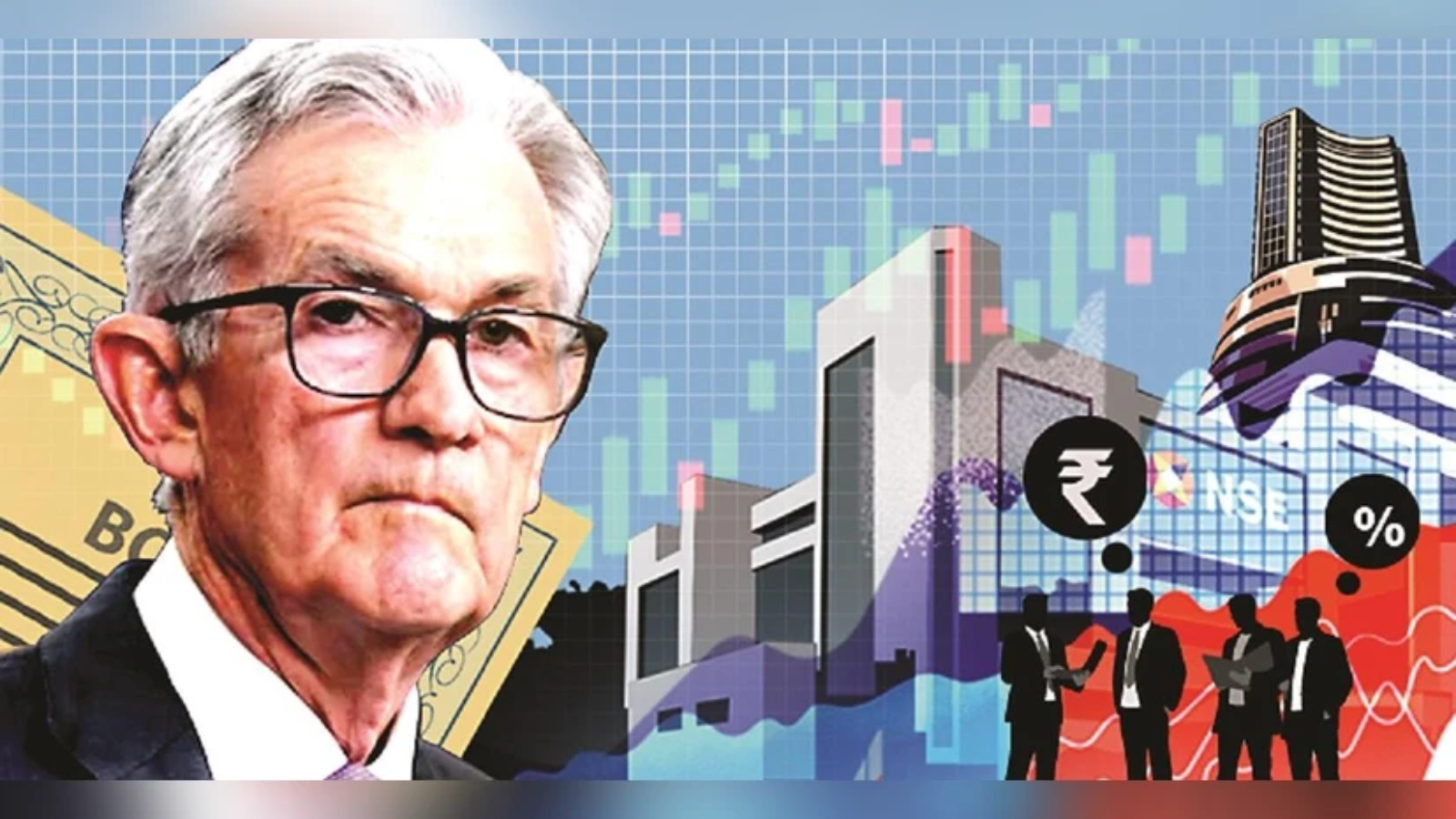
Looking ahead, analysts are closely monitoring Federal Reserve Chair Jerome Powell’s comments during upcoming meetings. The Fed’s September meeting indicated a cautious approach, with only one more rate hike expected in 2023, rather than multiple increases. Analysts from Barclays highlight that if the Fed opts to maintain current rates or pivot during their November meeting, bond markets could see a further rally.
In the Forex markets, this anticipated shift has led to fluctuations in currency valuations. The U.S. dollar index has fallen approximately 2 percent in recent weeks, reflecting a loss in strength as traders adjust their expectations regarding interest rates. Currency strategists at JP Morgan believe that if the Fed signals a potential shift towards rate cuts, the dollar could weaken further, benefiting other currencies amid improved global trade dynamics.
Moreover, in the cryptocurrency space, the prospect of easing interest rates could potentially offer a boon to digital assets. A less aggressive monetary policy may boost risk-on sentiment, leading to increased inflows into cryptocurrencies. Bitcoin and Ethereum have both shown signs of recovery, rising nearly 10 percent in the past few weeks. Analysts at Binance suggest that a more favorable macroeconomic backdrop could encourage more institutions to invest in digital currencies as part of their diversified portfolios.
In conclusion, the prospect of Fed relief is creating a cautiously optimistic environment across stocks and bonds. The easing of inflationary pressures could lead to a more favorable interest rate climate, impacting investor behavior across asset classes. As the Federal Reserve prepares for its next meeting, market participants will be closely watching for signals that could shape the near-term outlook for equities, bonds, and currencies. Whether this cautious optimism will translate into sustained growth remains to be seen, but current trends suggest a potential turning point in investor sentiment.