



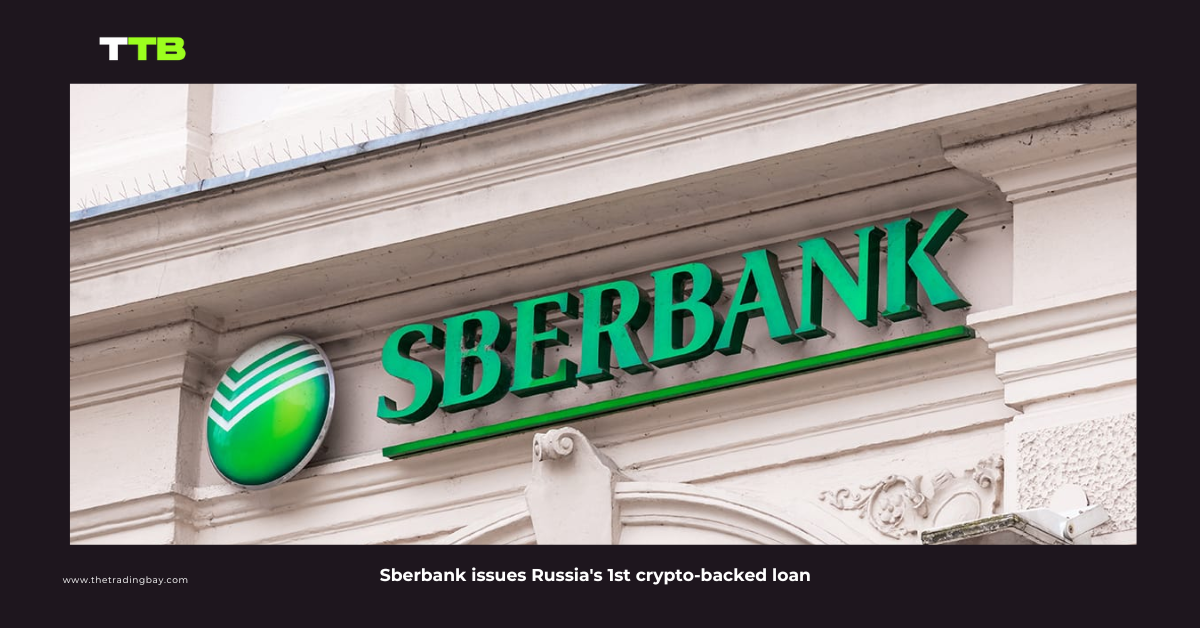
In a significant move for the cryptocurrency landscape in Russia, Sberbank has issued the country’s first crypto-backed loan to the bitcoin mining company Intelion Data. This landmark transaction marks a pivotal shift in how traditional financial institutions engage with the digital asset space and highlights the growing acceptance of cryptocurrencies in mainstream finance.
Sberbank, Russia’s largest bank, reported that the loan was partially secured with cryptocurrencies, specifically Bitcoin. The loan’s amount has not been disclosed, but Sberbank indicated that it aims to facilitate new financial models that leverage crypto-assets for real-world applications. This initiative comes amid increasing interest in cryptocurrency mining within the country, particularly as energy costs remain favorable in certain regions.
According to recent data, Russia ranks among the top countries in terms of Bitcoin mining volume, holding a significant share of the global hash rate. A report from the Cambridge Centre for Alternative Finance indicates that Russia accounted for about 11% of the world’s Bitcoin mining as of mid-2021. Intelion Data’s operations are strategically positioned to capitalize on this advantage, enhancing its prospects as a borrower in the emerging crypto-backed loan market.
Sberbank’s decision reflects a broader trend among financial institutions worldwide that are beginning to explore ways to integrate cryptocurrencies into their lending practices. As major banks look to diversify their portfolios amid evolving market conditions, crypto-backed loans present an innovative avenue for risk management and potential profitability. JPMorgan recently highlighted similar trends in a report emphasizing growth opportunities tied to digital assets and their related financial products.
However, the regulatory environment in Russia remains complex and somewhat ambiguous. The Central Bank of Russia has expressed concerns over the use of cryptocurrencies in payments, yet it has also recognized the potential for digital assets in controlled environments, such as loan agreements. This duality creates a challenging landscape for both banks and crypto companies navigating compliance and risk.
As traditional finance increasingly intersects with digital currencies, the implications for the Forex market could be substantial. An uptick in crypto adoption may influence currency movements, particularly as institutional investors seek innovative hedging strategies. This process could potentially shift investor sentiment away from traditional fiat currencies toward digital assets, especially if cryptocurrencies gain further legitimacy through transactions like those initiated by Sberbank.
In addition to the regulatory challenges, the success of the loan will depend heavily on market conditions. Bitcoin, which recently demonstrated volatility, is currently trading around $30,000. Fluctuations in its value could impact both the collateral value and the potential repayment capabilities of borrowers like Intelion Data. Any significant dips in price could necessitate adjustments to the loan terms or lead to increased scrutiny from Sberbank concerning risk management practices.
Looking ahead, the issuance of this loan may encourage other financial institutions in Russia and beyond to explore crypto-backed financing as a viable option. If successful, Intelion Data’s model could spur a new wave of financial products linking cryptocurrency assets with more conventional lending practices.
Analysts are cautiously optimistic. If Sberbank can navigate regulatory uncertainties and market fluctuations, this initiative could set a precedent for further integration of cryptocurrencies within mainstream finance. As more institutional players consider crypto-backed loans, the potential for market growth and innovation increases significantly.
In conclusion, Sberbank’s issuance of a crypto-backed loan to Intelion Data is an essential milestone for both the Russian fintech landscape and the broader global cryptocurrency market. It showcases the potential for traditional banks to embrace digital assets while also highlighting the complexities they face. As the market develops, its effects could ripple through currency trading and impact broader economic trends, paving the way for a more integrated financial ecosystem.