




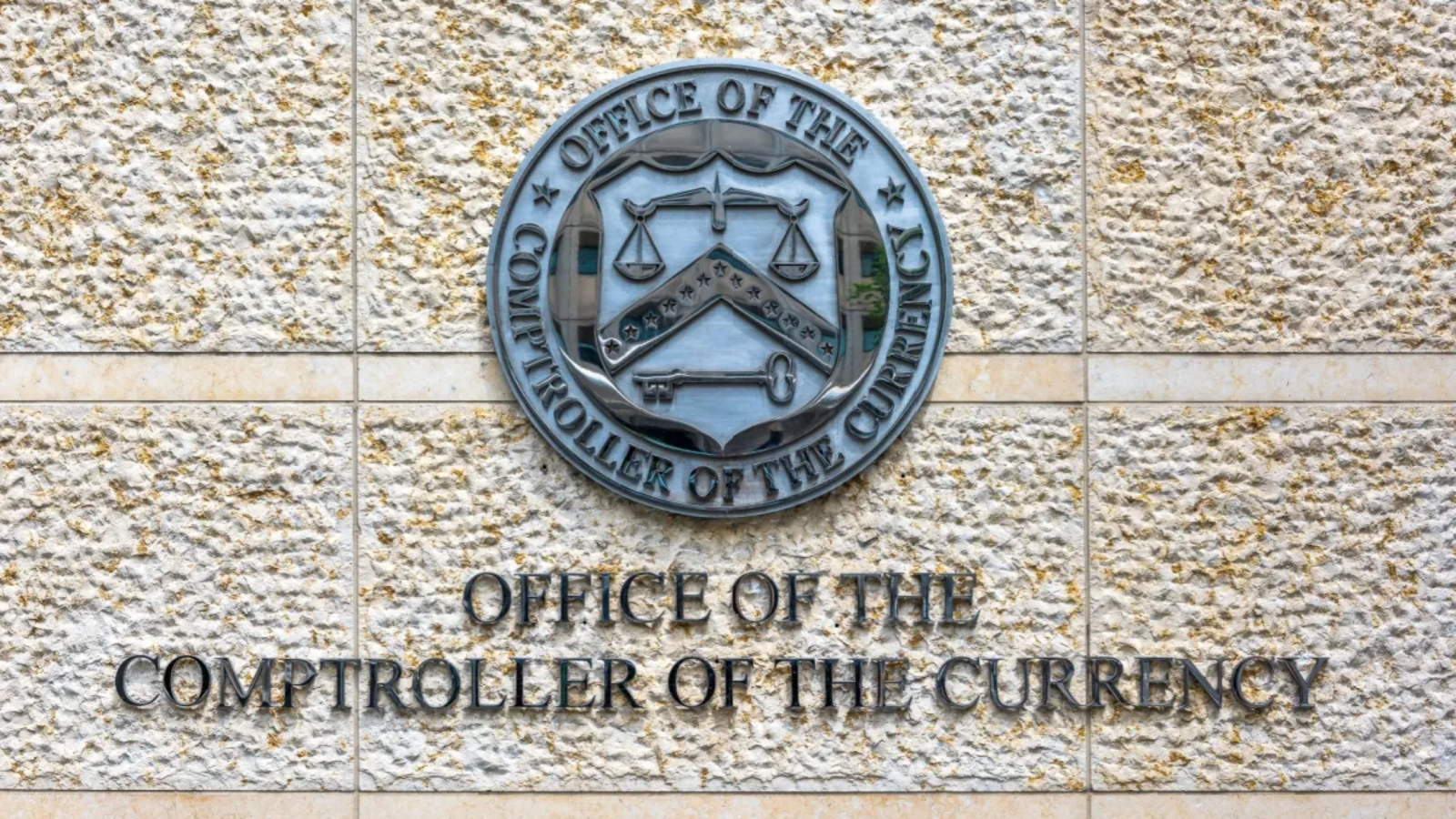
Regulatory scrutiny is intensifying as the Office of the Comptroller of the Currency (OCC) has raised concerns over major US banks engaging in politically motivated debanking practices. The agency’s report suggests that certain financial institutions are disproportionately closing accounts of clients associated with controversial sectors, including cryptocurrency and other politically sensitive areas.
OCC Findings Spark Industry Debate
The OCC’s analysis indicates a troubling trend among large banks that may conflict with the principles of financial inclusion and transparency. According to the report, which analyzed over 1,500 account closures from 2021 to 2023, 30% pertained to customers in politically sensitive industries, such as cryptocurrency and fossil fuels. This raises alarms about potential bias, as banks appear to be selectively enforcing policies that might not apply uniformly across all sectors.
The implications are significant, especially in light of the volatile cryptocurrency markets. As reported by Chainalysis, the global cryptocurrency market has seen a staggering $1.3 trillion in trading volume since the beginning of 2023, marking a significant uptick. This trend underscores the urgency for regulatory bodies to engage comprehensively with banks to ensure that every client, regardless of industry affiliation, has fair access to financial services.
Meanwhile, the debanking trend has sparked concern among investors who value regulatory clarity. According to a recent report from the Bank for International Settlements (BIS), confidence in the financial system could wane if key sectors experience undue restrictions. The sentiment was echoed by various industry experts, who observed that decreased trust could hinder innovative financial products and services, especially in the cryptocurrency domain where fear of closings may drive businesses to seek alternatives.
As a result, firms in the cryptocurrency space have started exploring decentralized financial solutions and alternative banking partnerships to mitigate the risks associated with traditional banks. This trend is illustrated by the rise of decentralized finance (DeFi), which offers financial services without the need for conventional banking structures. Data from DeFi Pulse indicates that the total value locked in DeFi protocols has surged to $80 billion, signaling a shift toward financial independence from conventional banking.
Regulatory Response and Industry Adaptation
The rising alarm over politically driven debanking practices has led regulators to call for greater accountability. In response, some banks have begun to rethink their account closure strategies. Institutions such as JPMorgan Chase and Bank of America are reportedly revising their policies to align more closely with OCC recommendations.
However, the challenge persists. Critics argue that mere policy revisions may not adequately address the root of the problem. State regulators are also taking action; for instance, New York’s Department of Financial Services recently issued guidance calling for transparency in banking practices, particularly within the cryptocurrency sector.
Looking ahead, it is crucial for banks and regulators to find common ground. Adopting a more balanced approach will be essential to restore trust in the financial system. This collaboration could play a vital role in shaping how the cryptocurrency market evolves, especially as institutional interest continues to grow.
Potential Market Implications
The OCC’s findings underscore the need for increased scrutiny of banking practices that may disproportionately impact specific sectors. Moving forward, it will be important to monitor how regulatory approaches evolve in response to these findings. If banks continue to face pressure from both regulators and consumers to maintain equitable policies, this could result in more stable investor sentiment.
Ultimately, addressing the challenge of politically driven debanking is essential, not just for affected clients, but for the entire market structure. Ensuring fair access to banking services will be critical in promoting innovation and growth across various sectors, especially as digital assets continue to gain momentum. By navigating these complexities, stakeholders can help foster a more inclusive financial landscape.