




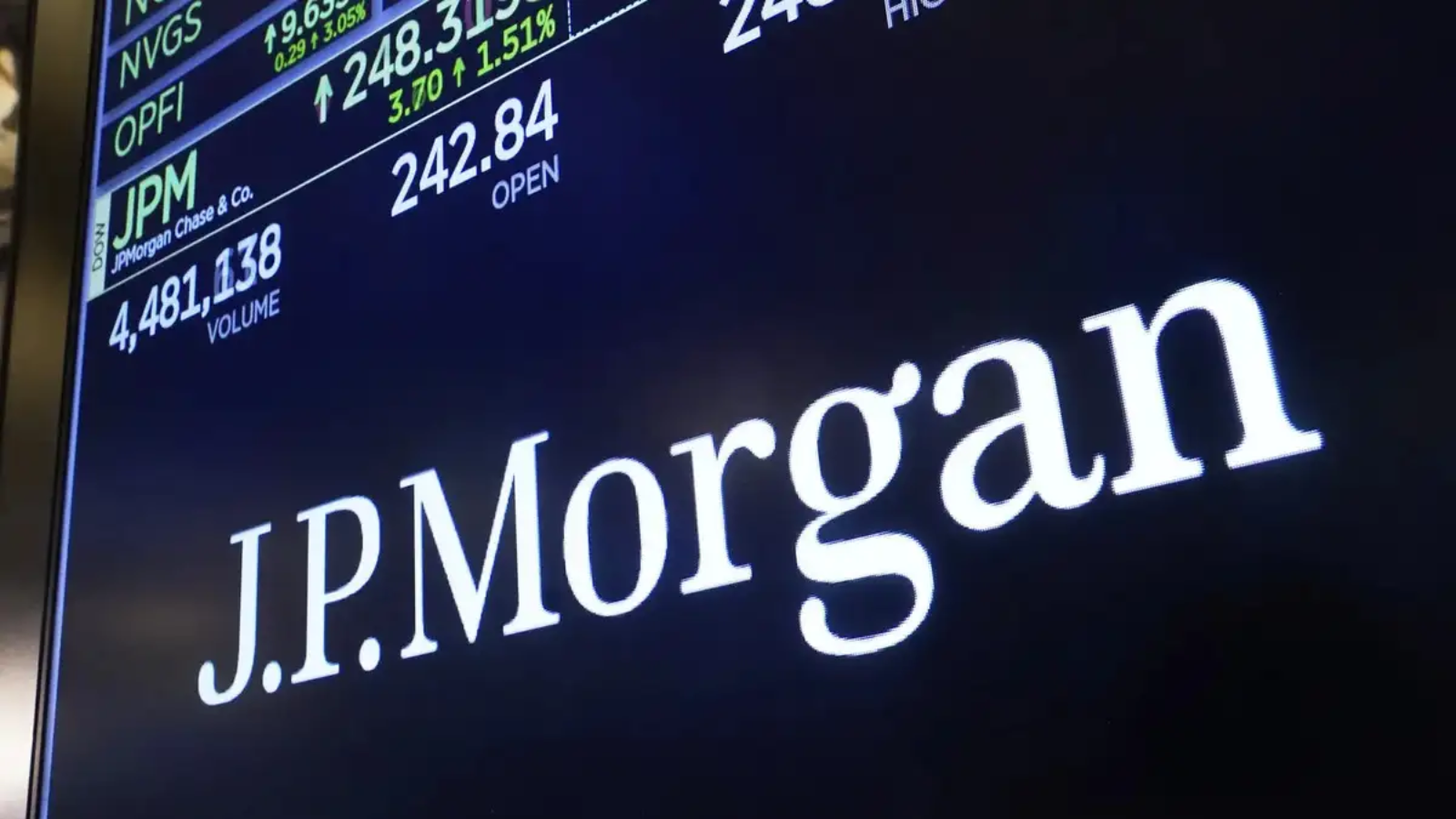
JPMorgan Chase has publicly dismissed accusations that it is engaging in debanking efforts predominantly directed at cryptocurrency firms and politically affiliated clients. The bank’s response comes in light of increasing scrutiny from various sectors concerned about its customer relationship policies, particularly in the volatile landscape of digital assets.
Claims of Targeted Debanking
Recent discussions among industry experts have highlighted JPMorgan’s approach to managing relationships with clients operating in the cryptocurrency space. Critics argue that the bank has deliberately cut ties with cryptocurrency firms, citing an alleged trend of debanking aimed at stifling free market competition. According to a report by CoinDesk, several crypto companies have confirmed instances where JPMorgan has declined to provide services due to their business model or regulatory concerns surrounding digital assets.
However, JPMorgan representatives have refuted these claims, stating that the decisions to restrict banking services are based on risk assessment protocols that apply universally to all sectors. The bank emphasized that it continuously evaluates the types of risks associated with different client operations and that its policies are aligned with regulatory requirements.
Furthermore, an analysis by Bloomberg noted that JPMorgan remains actively engaged in the cryptocurrency sector. The bank has launched products designed to facilitate crypto transactions and has developed partnerships with fintech firms to enhance its offerings. This engagement stands in contradiction to the notion that the institution is disengaging from the crypto market altogether.
The conversation surrounding debanking isn’t limited to JPMorgan. A broader trend has emerged within the banking industry, where major institutions are increasingly cautious about servicing companies involved in cryptocurrencies. The rise in regulatory scrutiny at both domestic and international levels has led banks to reassess their risk profiles when dealing with the crypto market.
As the Financial Action Task Force (FATF) continues to push for stronger compliance measures, banks are responding with heightened vigilance. According to a recent report from the Bank for International Settlements, nearly 60% of central banks globally are either researching or piloting central bank digital currencies (CBDCs). This surge in CBDC interest indicates a fundamental shift in how financial institutions view the digital asset ecosystem.
Focused on Regulatory Compliance
In its rebuttal to the debanking allegations, JPMorgan stressed the importance of maintaining compliance with existing regulations. Notably, on September 25, 2023, the bank provided an internal memo highlighting its commitment to adhere to the higher standards set by new financial guidelines regarding crypto assets. This commitment includes conducting thorough due diligence before engaging with potential clients in this sector.
Industry observers note that JPMorgan’s stance reflects a broader effort to navigate uncertain waters in the evolving cryptocurrency regulation landscape. On the regulatory front, July 2023 saw the introduction of the Digital Asset Market Integrity Act in the U.S. Congress, aimed at establishing a clearer regulatory framework for digital assets. These developments force institutions like JPMorgan to implement stringent compliance protocols, which may inadvertently lead to the reduction of services offered to certain clients.
Consequences for Financial Markets
The debate over debanking practices has significant implications for market dynamics. As banks like JPMorgan navigate the complexities of digital assets and regulatory pressures, their strategies will shape the financial landscape for both traditional and digital currencies. This cautious approach could deter innovations, potentially impacting the growth of fintech solutions that rely heavily on banking partnerships.
As the cryptocurrency market continues to evolve, institutions must strike a balance between compliance and innovation. While claims of debanking may capture headlines, they underline a crucial moment for regulatory clarity in the financial sector, as traditional firms adapt to the demands of a rapidly changing market.
In conclusion, JPMorgan’s rejection of the debanking allegations underscores a larger conversation about regulatory challenges and market adaptation within the cryptocurrency realm. As financial institutions reevaluate their customer relationships amidst increasing regulatory scrutiny, the implications for both traditional and digital asset markets are poised to be significant in the coming months.