




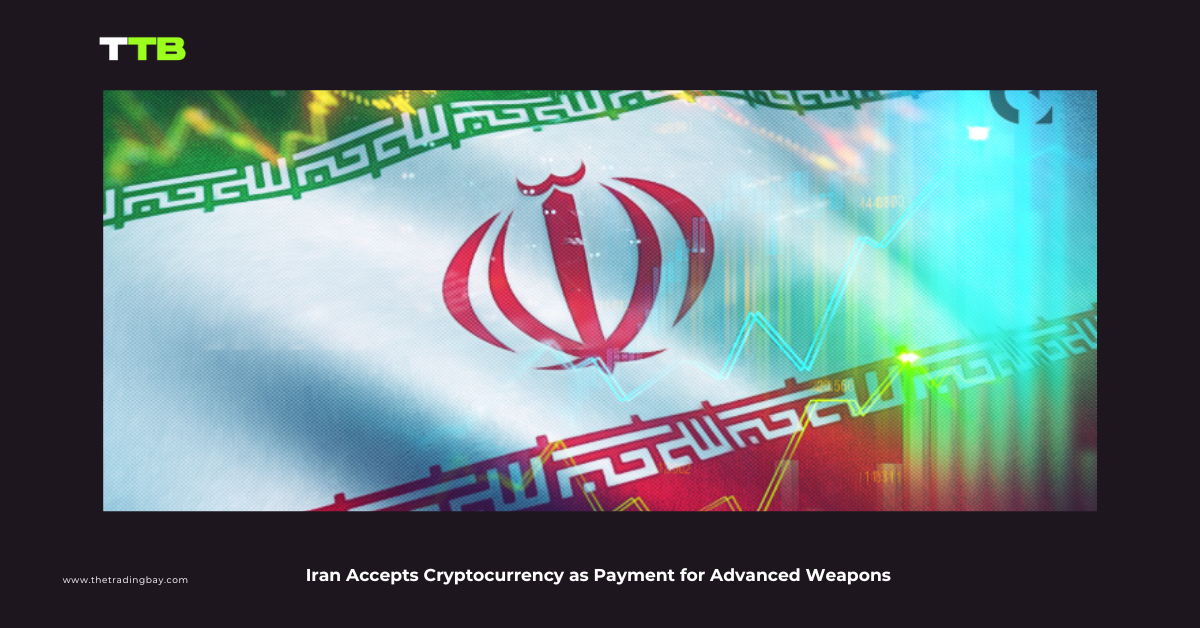
Iran has taken a significant step in its military and economic strategy by announcing that it will accept cryptocurrency as payment for advanced weapons. This development comes amid ongoing sanctions from the West and a deteriorating economy. The decision has raised questions about the role of digital currencies in geopolitical conflicts and their potential effects on global markets.
Implications of Cryptocurrency Adoption in Defense Sector
Iran’s acceptance of cryptocurrency is largely seen as a response to restrictions on traditional financial transactions due to international sanctions. In a public announcement, Iran’s Deputy Minister of Defense, Mohsen Fazeli, confirmed this policy shift, highlighting blockchain’s potential for secure transactions. He noted that accepting crypto could help Iran circumvent economic barriers and strengthen its military capabilities.
Moreover, this shift aligns with a broader trend where countries under sanctions are increasingly turning to cryptocurrencies. A 2022 report by Chainalysis indicated that nations like North Korea and Venezuela utilize crypto for similar purposes. Iran’s move could encourage other states facing economic isolation to adopt digital currencies as a means of trade.
The cryptocurrency market reacted swiftly to Iran’s announcement. Bitcoin and Ethereum experienced a slight uptick in value shortly after the news broke, suggesting that investors may view Iran’s move as an validation for cryptocurrencies. According to data from CoinMarketCap, Bitcoin prices rose by approximately 3% within 24 hours of the announcement. This reaction reflects increasing investor awareness of cryptocurrencies as potential tools for financial transactions in the global arms trade.
However, this development raises concerns about market volatility. Analysts warn that increased use of cryptocurrencies in sensitive transactions could lead to tighter regulatory scrutiny from major economies. In August 2023, the Financial Action Task Force (FATF) emphasized the need for stronger regulations on cryptocurrencies to combat illicit activities. This heightened oversight may affect investor sentiment and overall market dynamics.
Geopolitical Context and Historical Perspective
Historically, countries like Iran have faced challenges in acquiring advanced weaponry due to sanctions imposed by the United States and its allies. The Islamic Republic has aimed to enhance its military capabilities through domestic production, but the cost of advanced technologies often necessitates foreign procurement. The use of cryptocurrencies may offer a more reliable and less detectable way to fund these purchases compared to traditional banking systems.
Looking ahead, the geopolitical implications of Iran’s dealings in cryptocurrency could further complicate international relations. As more nations explore decentralized currencies for defense-related transactions, existing frameworks of financial accountability could be challenged. This trend may prompt regulatory bodies in developed nations to reevaluate their cryptocurrency guidelines, potentially leading to a stifling of innovation within the sector.
Market analysts are observing Iran’s unique situation closely. Many express concern over the long-term stability of cryptocurrencies being used in defense sectors. Notably, geoeconomic strategist James McGowan emphasized the risks, stating that “the intertwining of cryptocurrencies and military transactions could destabilize both markets and geopolitical landscapes.” Furthermore, he pointed out that if cryptocurrencies become a primary method for funding arms, it could ignite a new wave of cyber and information warfare.
In conclusion, Iran’s acceptance of cryptocurrencies for weapons payments marks a pivotal moment for both the military and cryptocurrency markets. This development not only underscores the growing intersection of digital currencies and international relations but also raises critical questions about the future of regulation in this sector. As countries like Iran leverage cryptocurrencies to bolster military capabilities, the potential for wider adoption among sanctioned states could reshape the dynamics of global finance and geopolitics. Investors and policymakers alike should prepare for continued upheaval as this trend evolves.