

Gold, traded as XAUUSD, is navigating a complex market backdrop where U.S. economic data plays a pivotal role. The recent U.S. nonfarm payroll figures exhibited notable strength, indicating robust employment and moderate wage growth. This data has led market participants to reassess the likelihood of Federal Reserve policy shifts, particularly rate cuts in 2024. Elevated U.S. Treasury yields, sustained by a strong labor market, combine with a sturdy U.S. dollar to pressure gold prices downward. However, any signs of economic weakening or dovish remarks from the Federal Reserve during their June meeting could trigger gold price appreciation.
Geopolitical tensions globally also influence gold’s movement, with the ongoing conflict between Russia and Ukraine and rising tensions in the Middle East enhancing gold’s appeal as a haven asset. Such geopolitical uncertainties often prompt investors to shift capital into gold as a precaution against unpredictable market disruptions. Throughout 2024, gold has frequently responded to heightened geopolitical risks with episodic price surges. At the same time, inflationary pressures outside the U.S., particularly in Europe and Asia, have bolstered sustained demand for gold as investors hedge against currency devaluation.
Central banks, especially those from emerging markets looking to diversify away from the U.S. dollar, continue purchasing gold, adding structural support to its price. China’s impact remains significant, with its status as the world’s largest gold consumer. Fluctuations in Chinese demand, driven by economic conditions, currency valuations, or governmental policy decisions, can substantially influence global gold pricing. Recently, China’s economic stabilization measures, including potential stimulus interventions, have uplifted both domestic and global gold consumption.
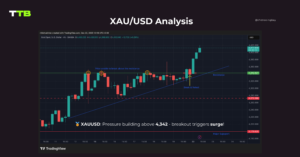
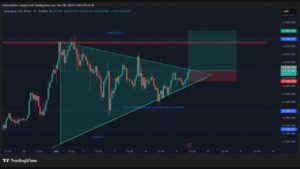
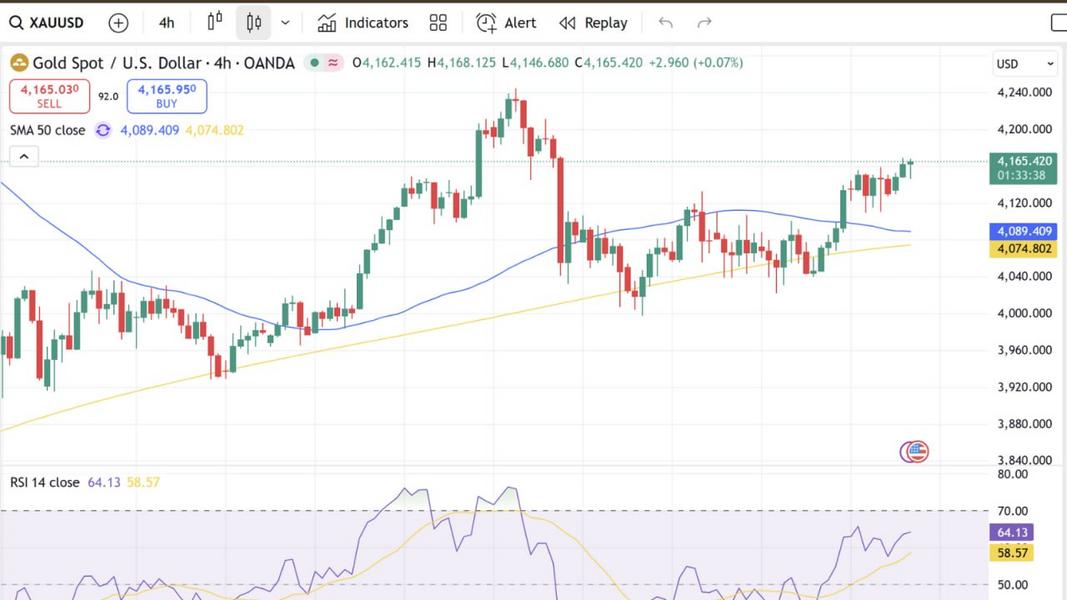
Technically, XAUUSD is trading within an uptrend, maintained by higher highs and higher lows on the price chart. The asset’s strong performance is underscored by its position above the 50-period and 200-period simple moving averages at 4,089.409 and 4,074.802, indicating ongoing bullish momentum. The Relative Strength Index reading of 64.13 suggests the current trend is reaching overbought levels, yet there still appears room for further upward price movement before a potential pullback.
Considering these factors, gold’s future direction remains contingent on U.S. economic indicators, Federal Reserve policy, and global geopolitical developments. Persistent strength in the U.S. dollar or a definitive signal of prolonged high interest rates could dampen gold’s climb. Conversely, indications of slowing economic growth, more dovish Fed communications, or intensified international conflicts could push gold prices higher. As XAUUSD sits at 4,165.030, the consensus outlook holds a moderately bullish view unless significant shifts occur in macroeconomic or geopolitical landscapes, with both technical and fundamental aspects supporting gold’s elevated pricing in the near term.