






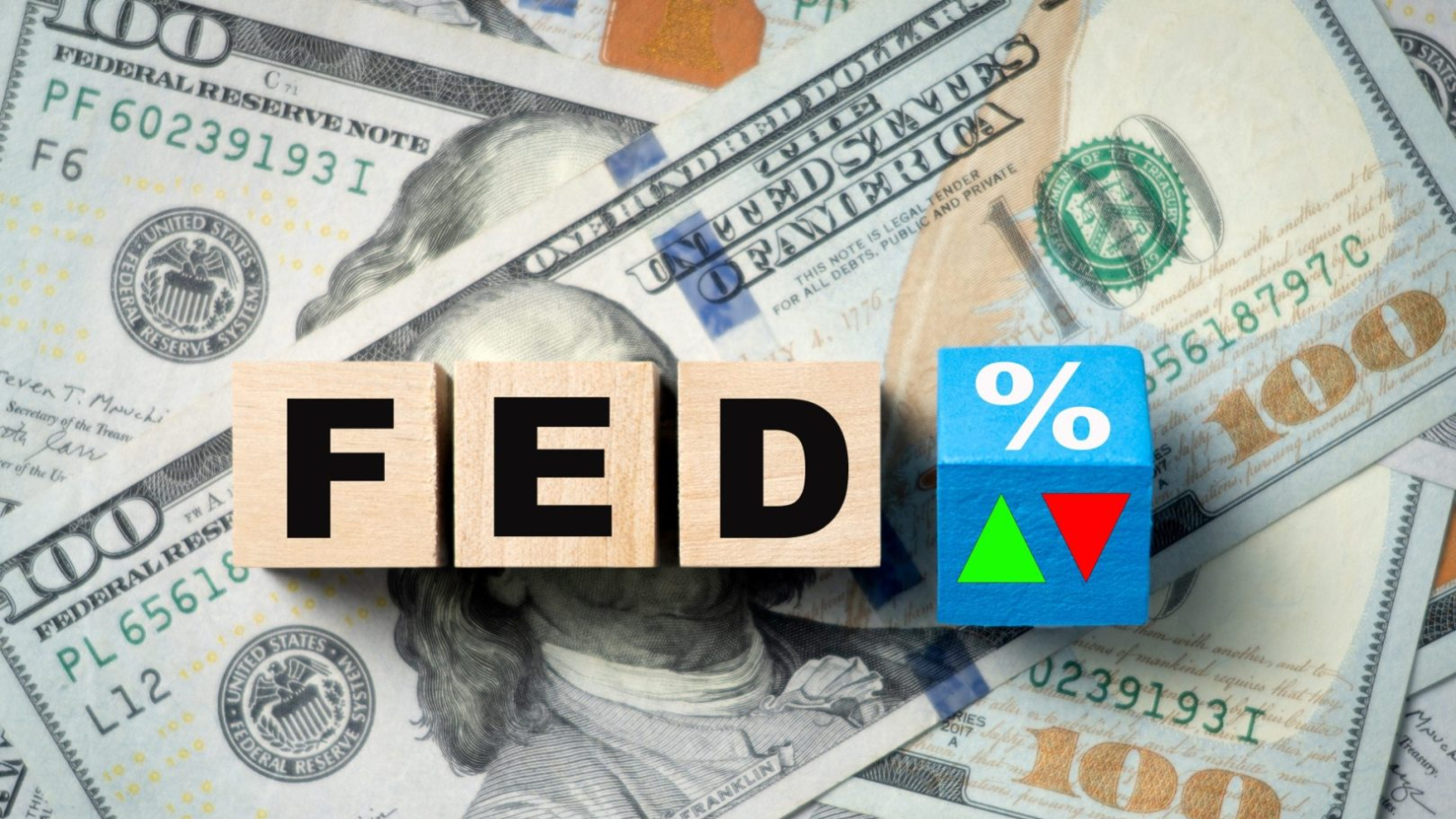
Financial markets have dramatically repriced Federal Reserve policy expectations, with traders now assigning an 87% probability to a 25 basis point rate cut at the December 9-10 FOMC meeting. This marks a sharp reversal from just two weeks ago when the odds had plummeted to approximately 30-40%, reflecting volatile sentiment surrounding monetary policy as 2025 draws to a close.
The catalyst for this shift came from New York Fed President John Williams, who signaled last Friday that policymakers still see room for near-term rate adjustments. Williams cited increased downside risks to employment and moderating inflation pressures as justification for continued easing. His comments carry substantial weight within the Federal Reserve’s leadership structure, as he serves alongside Chair Jerome Powell and Vice Chair Philip Jefferson in what market participants refer to as the Fed’s policy troika.
The September employment report, delayed by the government shutdown, showed job creation rebounded to 119,000 positions but revealed deeper concerns about labor market momentum. The unemployment rate edged up to 4.4%, while labor force participation remained subdued. Analysts describe the current employment situation as stall speed, where growth slows dangerously close to contraction without crossing into negative territory.
Dollar Faces Worst Weekly Performance Since July
Currency markets have responded decisively to shifting rate expectations, with the U.S. Dollar Index declining 0.72% last week to close at 99.479, marking its weakest weekly performance since late July. The greenback came under sustained selling pressure as front-end Treasury yields declined, reflecting market conviction that near-term monetary easing is imminent.
Cross-currency dynamics favored dollar weakness across major pairs. The euro advanced to 1.15985 against the dollar, benefiting from relative European Central Bank policy stability. The Japanese yen strengthened to 156.191 per dollar as markets began pricing potential Bank of Japan tightening alongside Federal Reserve easing, a combination that narrows yield differentials between the two economies.
Eric Theoret of Scotiabank noted that recent U.S. economic releases have leaned toward supporting a rate cut, reducing the anticipated return on dollar-denominated assets. The shift in monetary policy expectations mechanically weakens the dollar’s carry advantage relative to foreign currencies.
Cryptocurrency Markets Eye Liquidity Boost
Digital asset markets have also responded to the changing Fed outlook, with Bitcoin recovering above 91,000 dollars after briefly touching 81,000 dollars earlier this month. The cryptocurrency has historically demonstrated sensitivity to global liquidity conditions and real interest rates, behaving as a high-beta asset that amplifies broader risk trends in financial markets.
Lower policy rates reduce the opportunity cost of holding non-yielding assets like Bitcoin while simultaneously pressuring the dollar. Alex Blume, founder of crypto asset manager Two Prime, emphasized that easing monetary conditions provide structural support for upward price momentum in Bitcoin, provided the macroeconomic outlook remains stable.
Stablecoin reserves on cryptocurrency exchanges have reached record highs, suggesting significant dry powder awaits deployment. Historical patterns show that major Bitcoin rallies in 2025 have consistently followed periods of stablecoin accumulation.
Despite market confidence, Federal Reserve policymakers remain notably divided on the appropriate path forward. Boston Fed President Susan Collins and Dallas Fed President Lorie Logan have both expressed reluctance to support additional easing without clearer evidence of labor market deterioration. Collins specifically cited concerns about elevated inflation readings and robust economic activity as reasons to maintain current policy rates.
Chair Powell acknowledged these strongly differing views during his October press conference, describing a December rate cut as far from a foregone conclusion. The October FOMC meeting revealed these tensions, with two dissenting votes on opposing sides.
The path forward remains highly contingent on incoming economic data, though the government shutdown has created significant information gaps. Market positioning currently favors further dollar weakness and continued support for risk assets including cryptocurrencies if the Fed confirms rate easing in December. However, stronger-than-expected economic data could quickly reverse this sentiment, creating tactical opportunities for participants in both foreign exchange and digital asset markets.