





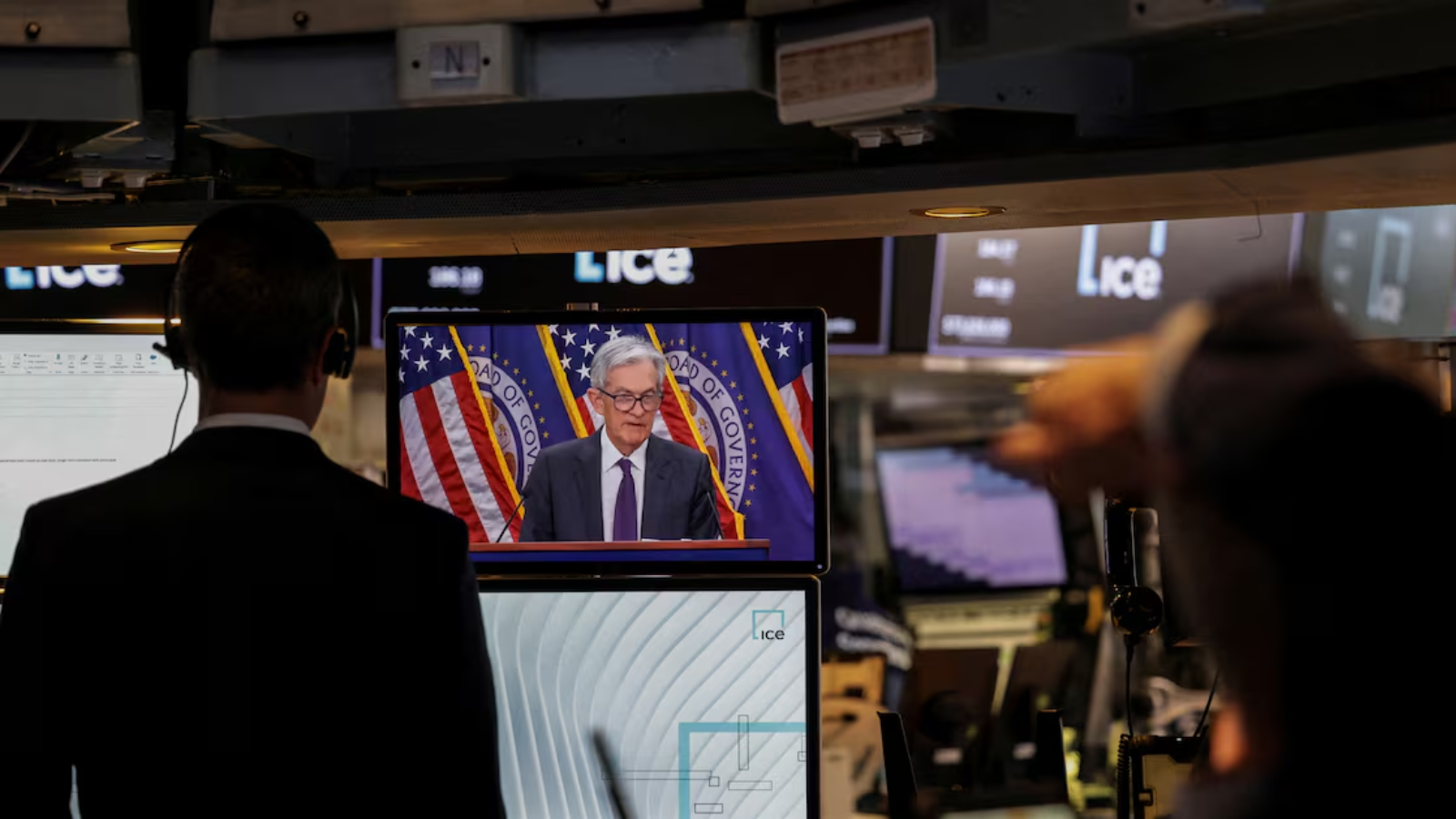
Fed officials made headlines this week by cutting interest rates by 25 basis points, bringing the federal funds rate to a target range of 5.25% to 5.50%. This move marks a significant policy shift as the Fed attempts to combat inflation while navigating complex economic signals. The decision has reignited debates among Federal Open Market Committee (FOMC) members regarding the future trajectory of monetary policy, leaving markets in a state of uncertainty.
Internal Divisions Surface in the FOMC
The decision to lower rates was not unanimous, with several members expressing concerns over rising inflation and potential economic overheating. According to the July FOMC meeting minutes, some officials warned that inflation remains above the committee’s long-term target of 2%. This internal division illustrates the ongoing tension between prioritizing economic growth and maintaining price stability. Economist Michael Feroli of JPMorgan has noted that, “the Fed is faced with a tough balancing act that could lead to more frequent rate adjustments in the coming months.”
Following the announcement, the U.S. dollar experienced a slight decline, trading at 1.13 against the euro, reflecting investor sentiment that the Fed may be signaling a more dovish stance. Currency volatility could increase as traders reassess their positions based on mixed signals from the central bank.
Market Reaction and Broader Implications
The rate cut has significant implications for various markets, particularly Forex and cryptocurrencies. In the Forex market, the initial dip in the dollar caused an uptick in gold prices, which surged by 1.2% to $1,938 an ounce. Investors are flocking to safe-haven assets as they hedge against potential economic turbulence. Furthermore, Bitcoin and other cryptocurrencies are witnessing increased buying momentum amid the uncertainty, with Bitcoin climbing nearly 5% to $29,500 immediately after the announcement.
Analysts suggest that this rate cut may accelerate a broader shift in investor sentiment. Cryptocurrency expert Laura Shin states, “Recent monetary policy changes tend to drive interest in alternative assets like Bitcoin, as traditional investments lose appeal during periods of low yields.” This trend aligns with historical data indicating that crypto assets often benefit from an easing monetary environment.
Looking ahead, market stakeholders remain anxious. The Fed’s decision could trigger further discussions about additional rate cuts should economic conditions warrant it. However, the ongoing inflationary pressure complicates the picture. As noted by Eric Winograd, senior economist at AllianceBernstein, “If inflation does not subside, the Fed may find itself in a position where it could be forced to reverse course.” Investors will be closely monitoring upcoming economic indicators, such as unemployment rates and consumer spending, which will provide insights into the effectiveness of the Fed’s strategy.
Expert Opinions on Future Rate Movements
The debate within the FOMC suggests that future meetings may involve increasingly complex discussions around monetary policy. Economists predict that the Fed might still decide on another rate cut later this year, depending on economic performance and inflation trends. However, if inflation persists above target levels, the Fed may need to adopt a more hawkish approach.
Moreover, institutional investors are recalibrating their strategies amid this evolving landscape. According to a recent report from BlackRock, “a prolonged period of low rates could lead institutions to seek higher returns, potentially pushing them toward riskier assets.” This trend could elevate volatility in both equity and cryptocurrency markets in the near term.
The Fed’s interest rate cut signals a pivotal moment in U.S. monetary policy, juxtaposed against an environment of heightened inflation and shifting economic dynamics. As debates within the FOMC deepen, investors should brace for potential market fluctuations driven by ongoing policy changes and economic data releases. The coming months will be crucial in determining how these developments will shape currency movements and investor sentiment across various asset classes.