






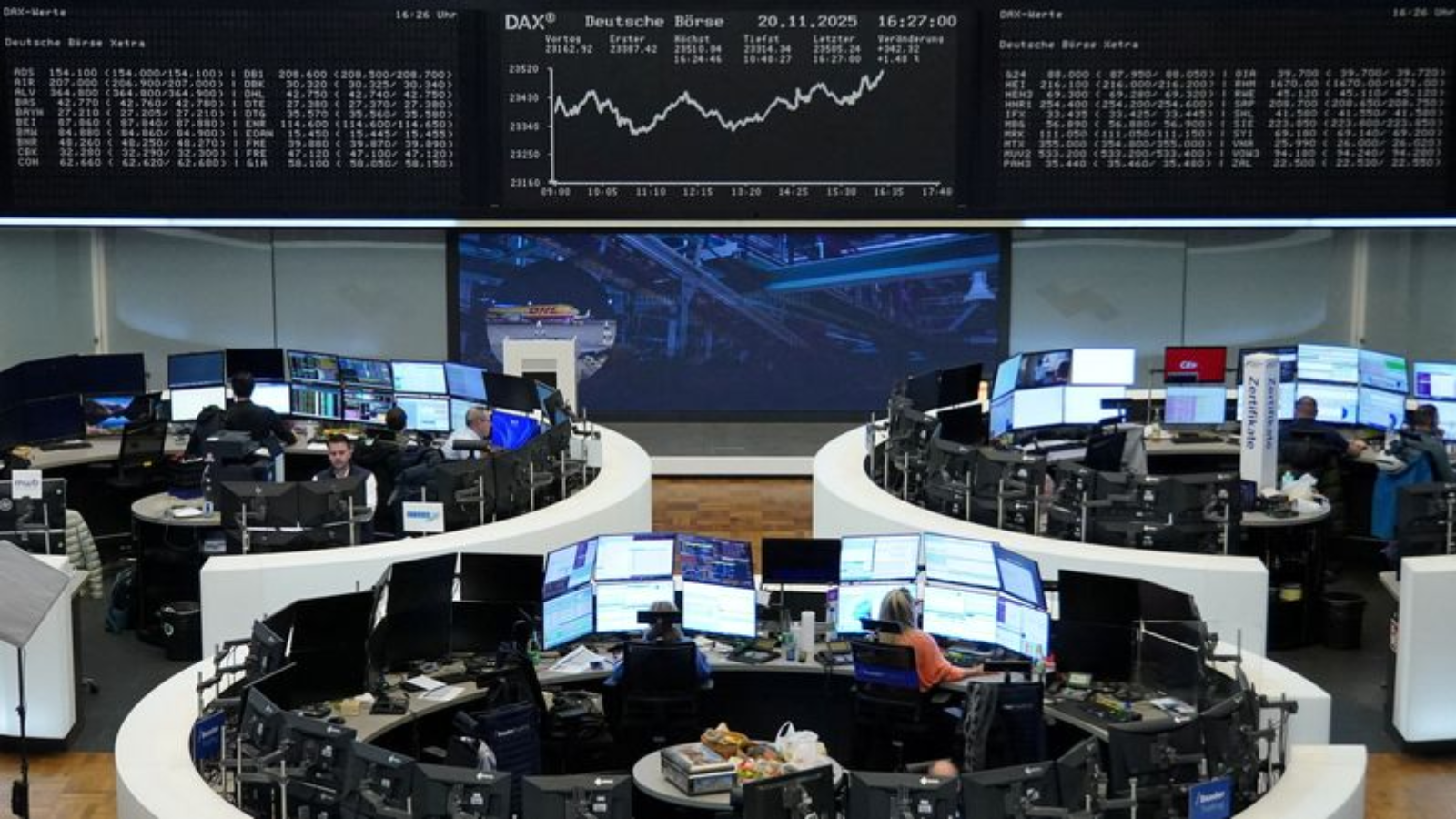
Eurostoxx futures were largely flat in early European trading on Tuesday, a reflection of mixed signals from global markets. The index, which tracks 50 of the largest stocks across Europe, remained practically unchanged as traders assessed the latest economic indicators and central bank comments. This stagnation comes amid ongoing concerns over inflation and interest rates that continue to shape investor sentiment.
As of 7:00 AM London time, Eurostoxx 50 futures were seen trading slightly above the prior close, indicating a cautious but stable outlook. This steadiness contrasts with the volatility seen in recent trading sessions. A report from IG Group noted that major European indices closed lower yesterday, influenced by declines in tech stocks and ongoing geopolitical tensions. The DAX in Germany dropped 0.4%, while France’s CAC 40 lost 0.3%.
Investor sentiment is currently reacting to a range of economic data released during the past week. In particular, Eurozone inflation data has kept traders on edge as they parse through conflicting signals. According to Eurostat, inflation in the Eurozone has reached 5.3%, down from 6.1% in the previous month. However, core inflation—excluding energy and food—remained at a high 7.0%. This disparity could indicate a prolonged battle for the European Central Bank (ECB) as it seeks to balance economic growth against rising prices.
Central banks are fundamentally shaping market expectations. In a recent statement, ECB President Christine Lagarde indicated that despite a reduction in inflation, vigilance is necessary. “The fight against inflation is not over,” she said. This perspective contributes to a cautious stance among traders as market participants anticipate potential rate adjustments during the upcoming ECB meetings.
Meanwhile, UK markets reacted similarly to mixed economic data. Although the FTSE 100 remained stable, it experienced pressure from declines within travel and leisure sectors—companies most affected by fluctuating consumer confidence and heightened cost pressures. Analysts believe this could create ripple effects in Eurozone markets, given the intertwined nature of European economies.
The Forex market has shown signs of stirring as well. The euro traded marginally lower against the US dollar, hovering around 1.08, responding to the uncertainty surrounding interest rate policies. A stronger dollar has historically been correlated with lower Eurozone exports, which may further contribute to economic growth slowing in the region.
In addition to these economic indicators, the cryptocurrency market has also caught investor attention. Bitcoin showed a modest uptick, rising approximately 2% to reach $27,500. However, the overall market remains cautious due to regulatory concerns, particularly in light of recent comments from the U.S. Securities and Exchange Commission regarding stricter oversight of cryptocurrency exchanges.
Looking ahead, key earnings reports from major European corporations are set to be released later this week. Investors will closely monitor the financial disclosures for insights into sector stability and emerging trends. Generally, the earnings season could provide a clearer narrative that may help guide Eurostoxx movements in the near term.
In summary, while Eurostoxx futures show flat indications today, a myriad of factors—including ECB policy, inflation data, and global economic conditions—are creating a complex trading environment. Investors remain vigilant as they navigate these uncertainties, weighing potential risks against emerging opportunities in both traditional equities and the cryptocurrency market.
As data continues to evolve, the outlook for European markets remains cautious but dynamic. Future trading sessions will likely reflect ongoing adjustments as investors react to new economic signs and regulatory developments.