






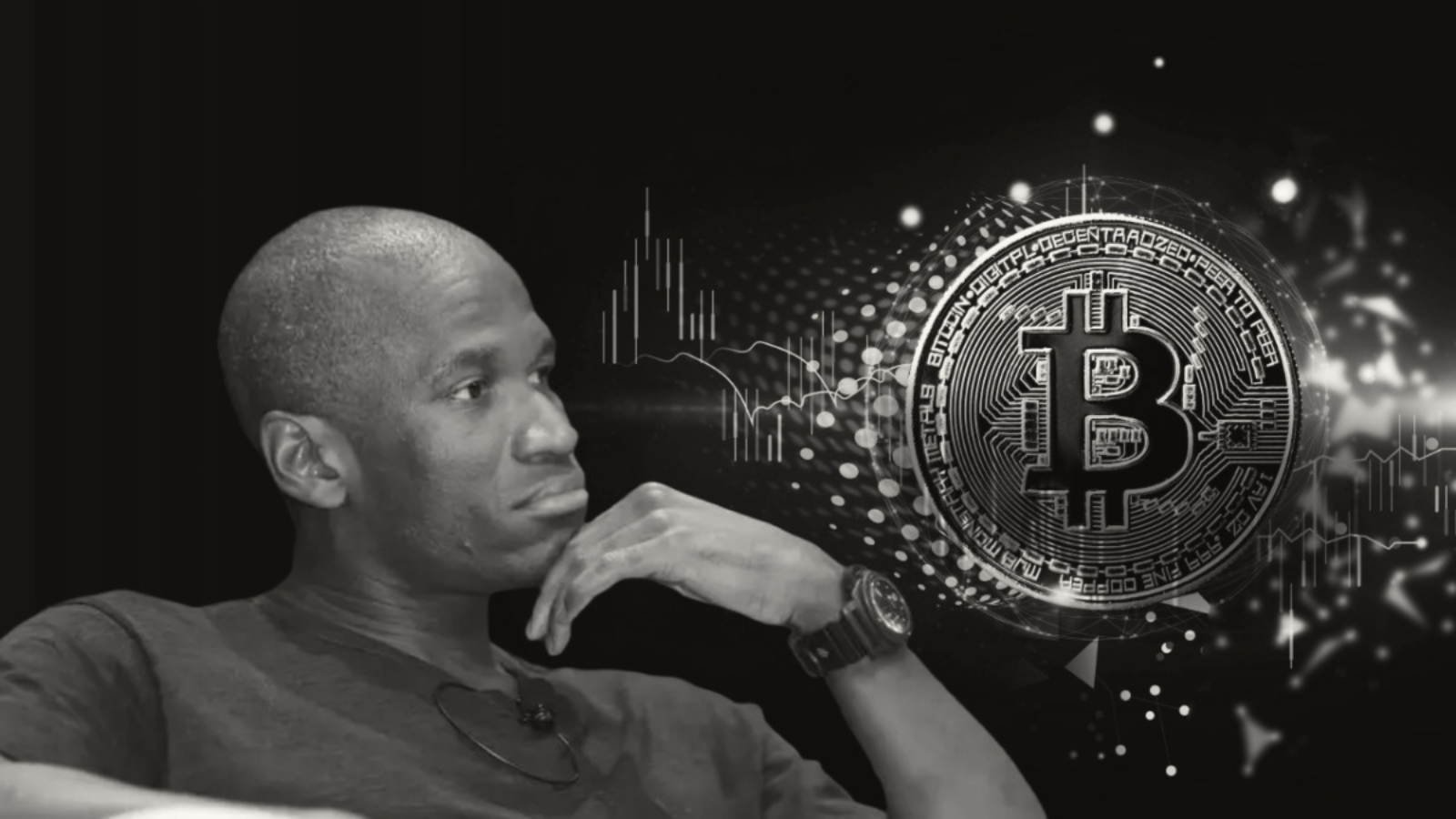
Bitcoin has experienced a notable rebound, driven by the latest monetary policy shifts in Japan coupled with insights from cryptocurrency expert Arthur Hayes. As central banks enact changes in interest rates, the ripple effects on markets are becoming increasingly evident, particularly in the cryptocurrency space.
Japan’s monetary policy has recently shifted in response to inflationary pressures, marking a significant change in its long-standing negative interest rate policy. The Bank of Japan raised rates for the first time in over seven years, hiking them by 25 basis points. This move sent the yen rising and sparked optimism across financial markets. According to a report by Reuters, the yen gained approximately 2% against the dollar following the announcement, highlighting investor confidence in Japan’s economic recovery.
In the wake of this development, Bitcoin surged, climbing approximately 5% to regain a significant portion of its prior losses. As of yesterday, Bitcoin is trading at around $29,800, signaling renewed interest among investors. This uptick is attributed not only to the immediate response to Japan’s interest rate hike but also to a rally in broader risk assets. Crypto markets often react positively to shifts in traditional markets, as investors seek alternatives in times of uncertainty.
Arthur Hayes, the co-founder of BitMEX and a prominent voice in cryptocurrency markets, has forecasted that the dollar could eventually trade at 200 yen. He argues that such a situation would reflect significant quantitative easing policies adopted by the Federal Reserve, alongside tightening fiscal measures in Japan. “The geopolitical landscape indicates that the dollar has much room to fall relative to the yen as the global economic dynamics shift,” Hayes noted, which paints a compelling narrative for investors in both currencies and cryptocurrencies.
Hayes’ prediction comes amidst growing inflationary concerns globally. The U.S. inflation rate recently hit a four-decade high, prompting the Federal Reserve to adopt aggressive tightening measures. This environment typically strengthens Bitcoin’s appeal, as investors consider diversifying their portfolios into hard assets. In fact, a report by Deloitte highlights that Bitcoin’s reputation as “digital gold” is being reaffirmed in uncertain times, as more investors gravitate toward it as a hedge against inflation.
Meanwhile, the shifting dynamics around the yen have also drawn attention to the broader Forex landscape. Following the rate hike, analysts expect increased volatility in currency markets. The euro and the pound both showed weakened performances against the dollar, emphasizing the dollar’s relative strength despite challenges domestically.
Looking ahead, the interplay between Bitcoin and traditional fiat currencies may become more intricate. Should the dollar weaken further, as Hayes suggests, Bitcoin may benefit from increased liquidity and capital inflows from risk-averse investors. Analysts from Bloomberg note that Bitcoin’s recent ascent could be a precursor to a more sustained upward trajectory, as external economic pressures force investors to reevaluate their asset allocations.
In addition, regulatory environments are shaping crypto investments as well. In the coming months, various governments are expected to introduce clearer regulations around digital assets, potentially providing greater security for investors. This regulatory clarity is likely to attract institutional participation, further supporting Bitcoin’s price stability and growth.
In conclusion, while Bitcoin has rebounded sharply following Japan’s interest rate hike, the upcoming months will be crucial for both the cryptocurrency and fiat currency markets. As global economic dynamics continue to evolve, the implications of a weaker dollar provide fertile ground for Bitcoin’s potential rise. Investors should monitor these developments closely, as opportunities may arise in this shifting landscape.